

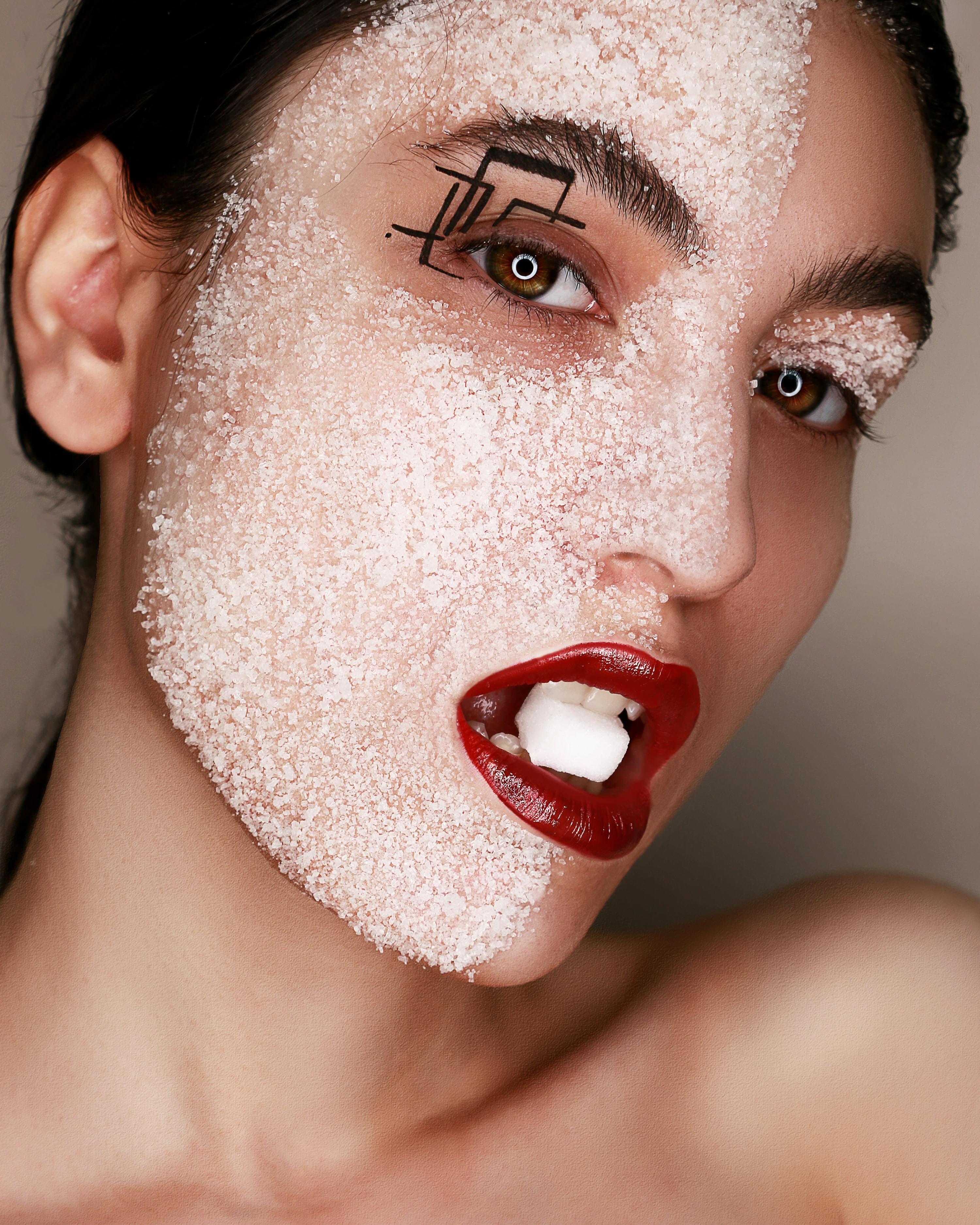
Wrinkles. Puffy skin. Acne. Dullness. Researchers say your daily sugar intake may play a much bigger role in facial aging than most people realize.
For years, skin aging was blamed mostly on sunlight and genetics. But modern research shows another hidden factor may quietly damage your skin from the inside out: excess sugar consumption.
Scientists have discovered that sugar can physically alter collagen, increase inflammation, worsen acne, and accelerate visible aging through a process called glycation. Even if you use expensive skincare products, a high-sugar diet may still be working against your skin.
In this article, we'll break down the science behind how sugar affects your appearance, what glycation really is, and what researchers say you can do to protect your skin naturally.
What Is Glycation?
One of the biggest reasons sugar ages the skin is a biological process called glycation.
When there is too much sugar in the bloodstream, sugar molecules attach themselves to proteins like collagen and elastin. These proteins are responsible for keeping the skin firm, smooth, elastic, and youthful.
Researchers call the harmful compounds created during this process Advanced Glycation End Products (AGEs). According to multiple scientific reviews, AGEs weaken collagen fibers and make them stiff and fragile over time.
Why Collagen Damage Makes You Look Older
Collagen is often described as the "scaffolding" of the skin. It helps your face stay tight, firm, and smooth.
When collagen becomes damaged by glycation, skin loses firmness, fine lines deepen faster, the face may appear more tired, elasticity decreases, and recovery from inflammation becomes slower. Researchers found that glycated collagen becomes harder for the body to repair. Over time, this creates a cycle of accelerated aging.

Glycation damages collagen, leading to visible signs of aging.
“Sugar can physically alter collagen, increase inflammation, worsen acne, and accelerate visible aging through glycation.”
Sugar and Puffy Face Appearance
A high-sugar diet may also contribute to facial puffiness and swelling. Because sugar increases inflammation inside the body, chronic inflammation can affect fluid retention, blood vessels, and skin texture.
Many people experience morning facial puffiness, under-eye swelling, bloated cheeks, and tired-looking skin. Scientists have linked high glycemic diets with inflammatory pathways that affect overall skin appearance and tissue quality.
The Link Between Sugar and Acne
Researchers have increasingly connected high-sugar diets to acne severity. Foods that rapidly spike blood sugar like candy, soda, desserts, white bread, and sugary drinks may increase insulin levels and trigger hormonal pathways involved in acne development.
This can lead to more oil production, increased inflammation, breakouts, redness, and slower healing. Several studies suggest that low-glycemic diets may improve acne symptoms in some individuals.
While reducing sugar helps protect your skin from the inside, understanding your unique facial features can help you make the most of your natural appearance. Discover personalized grooming and style recommendations tailored specifically to you.
Get Started for FreeWhy Skin Looks Dull After Too Much Sugar
Healthy skin usually reflects light evenly and has strong hydration and circulation. Excess sugar may interfere with this by increasing oxidative stress, damaging collagen structure, weakening skin barrier function, and increasing inflammation.

Excess sugar can lead to dull, tired-looking skin over time.
Over time, this can create a dull or tired appearance. Some dermatologists even describe glycated skin as looking less "radiant" because damaged collagen changes the skin's texture and flexibility.
Habits That May Help Protect Your Skin
1. Reduce Excess Sugar Intake
You do not need to completely eliminate sugar. But lowering excessive added sugar may reduce glycation stress over time.
2. Eat More Antioxidant-Rich Foods
Fruits, vegetables, and whole foods contain antioxidants that help fight oxidative stress linked to skin aging.
3. Prioritize Sleep
Poor sleep increases inflammation and recovery problems, which may worsen skin quality over time.
4. Exercise Regularly
Exercise improves circulation and insulin sensitivity, which may indirectly support healthier skin.
5. Stay Hydrated
Proper hydration supports skin barrier function and overall appearance.
6. Avoid Smoking
Smoking dramatically accelerates oxidative stress and collagen damage.
“Your skin is affected not only by what you put on it, but also by what you regularly put into your body.”
Becoolone Editorial
Final Thoughts
The science around sugar and skin aging continues to grow, and researchers are learning more about glycation every year.
What's clear so far is this: Your skin is affected not only by what you put on it, but also by what you regularly put into your body.
Reducing excessive sugar intake, improving lifestyle habits, and supporting overall health may help your skin stay firmer, clearer, and healthier for longer. And unlike many expensive beauty trends, these changes are backed by biology, not marketing.
Scientific References
"Advanced Glycation End Products: Key Players in Skin Aging?" National Institutes of Health
"Accumulation of Maillard Reaction Products in Skin Collagen in Diabetes and Aging" NIH
"Glycation of Type I Collagen…" NIH
"Carbamylation and Glycation Compete for Collagen Molecular Aging In Vivo" Scientific Reports
"Effect of Collagen Turnover on the Accumulation of Advanced Glycation End Products" PubMed