


Sleep is often overlooked in conversations about anti-aging, yet modern research increasingly shows that it may be one of the most powerful natural tools for maintaining youthful skin, facial attractiveness, and long-term health.
While many people focus heavily on skincare products, supplements, or cosmetic procedures, the body already performs many of its most important repair processes during deep sleep. Scientists now view sleep as a foundational pillar of longevity and appearance alongside nutrition, exercise, and stress management.
During deep sleep, the body enters a state of restoration. Growth hormone production increases, damaged cells begin repairing themselves, inflammation becomes regulated, and the skin barrier works to recover from daily environmental stress. Chronic sleep deprivation interferes with these repair processes and has been linked to faster visible aging, duller skin, eye swelling, wrinkles, reduced skin elasticity, and weakened collagen maintenance.
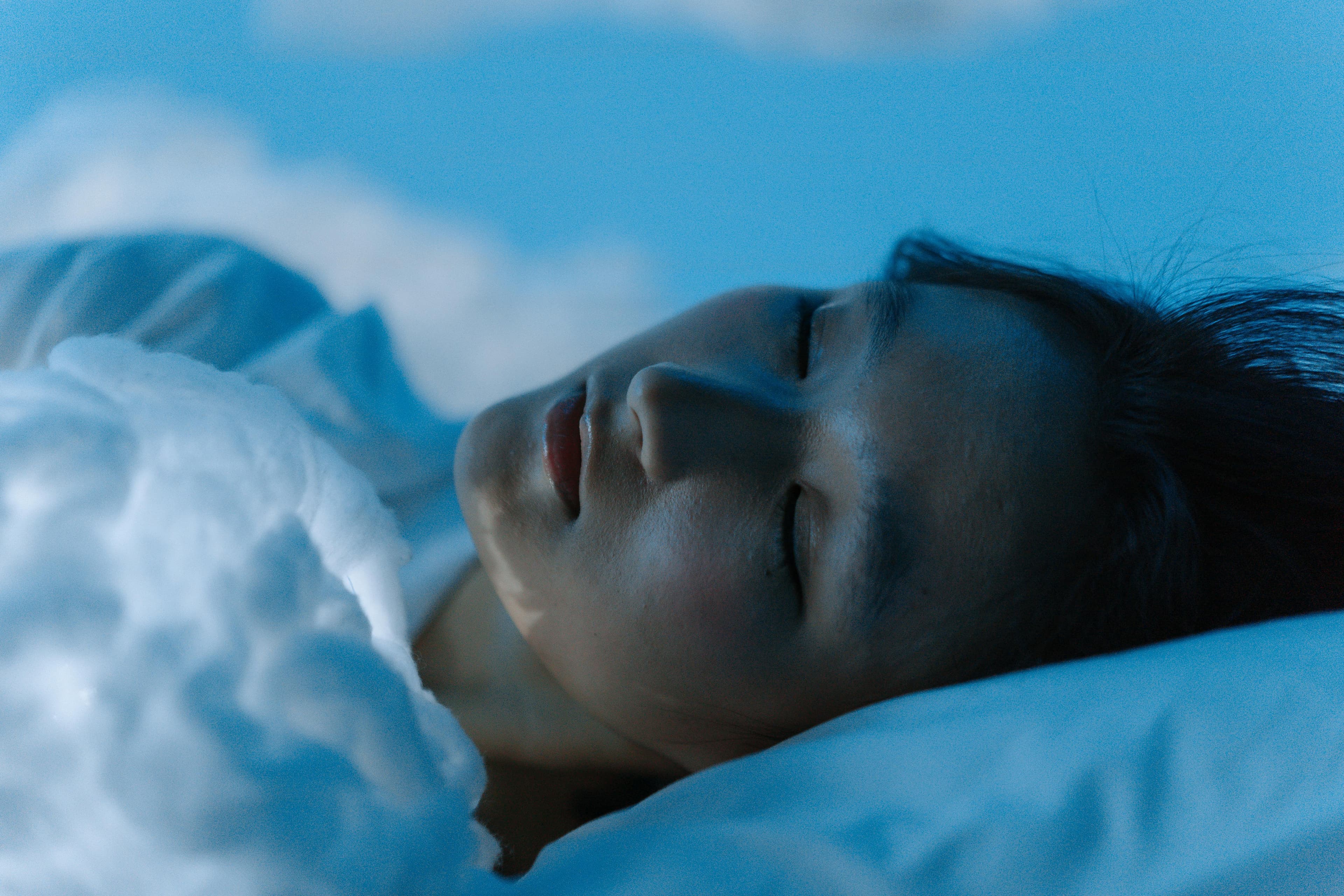
Deep sleep is when your body performs its most critical repair work.
Studies have even shown that people who consistently sleep less are often perceived by others as less healthy, less energetic, and less attractive.
Collagen Preservation During Sleep
One of the most important anti-aging effects of sleep is collagen preservation. Collagen is the structural protein responsible for keeping the skin firm, smooth, and elastic. As collagen breaks down with age, the skin begins to lose tightness and wrinkles become more visible.
During consistent high-quality sleep, the body repairs micro-damage caused by ultraviolet exposure, stress, pollution, and everyday inflammation. Poor sleep, however, increases cortisol levels, commonly known as the stress hormone. Elevated cortisol over long periods can accelerate collagen breakdown and contribute to premature aging of the skin.
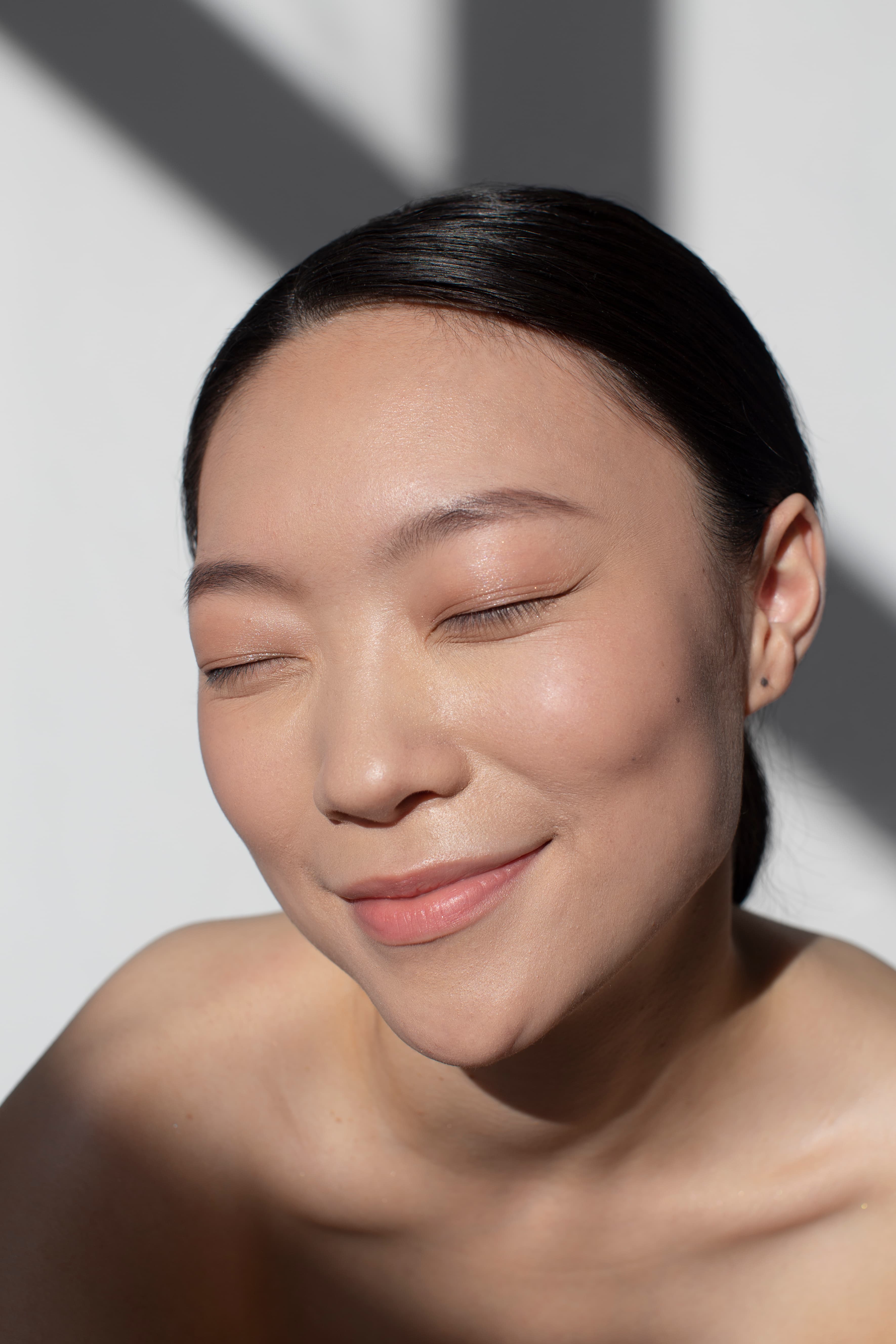
Quality sleep supports collagen production and skin elasticity.
Visible Facial Changes From Sleep Deprivation
Scientific research has repeatedly shown that sleep deprivation directly affects facial appearance. In controlled studies where participants experienced poor sleep, observers rated them as more tired, less attractive, sadder, and less healthy compared to when they were well rested.
Even after only one or two nights of insufficient sleep, visible facial changes became noticeable. Darker under-eye circles, swollen eyelids, paler skin tone, drooping mouth corners, and tired-looking eyes all became more prominent. Many people underestimate how quickly poor sleep can become visible in the face.
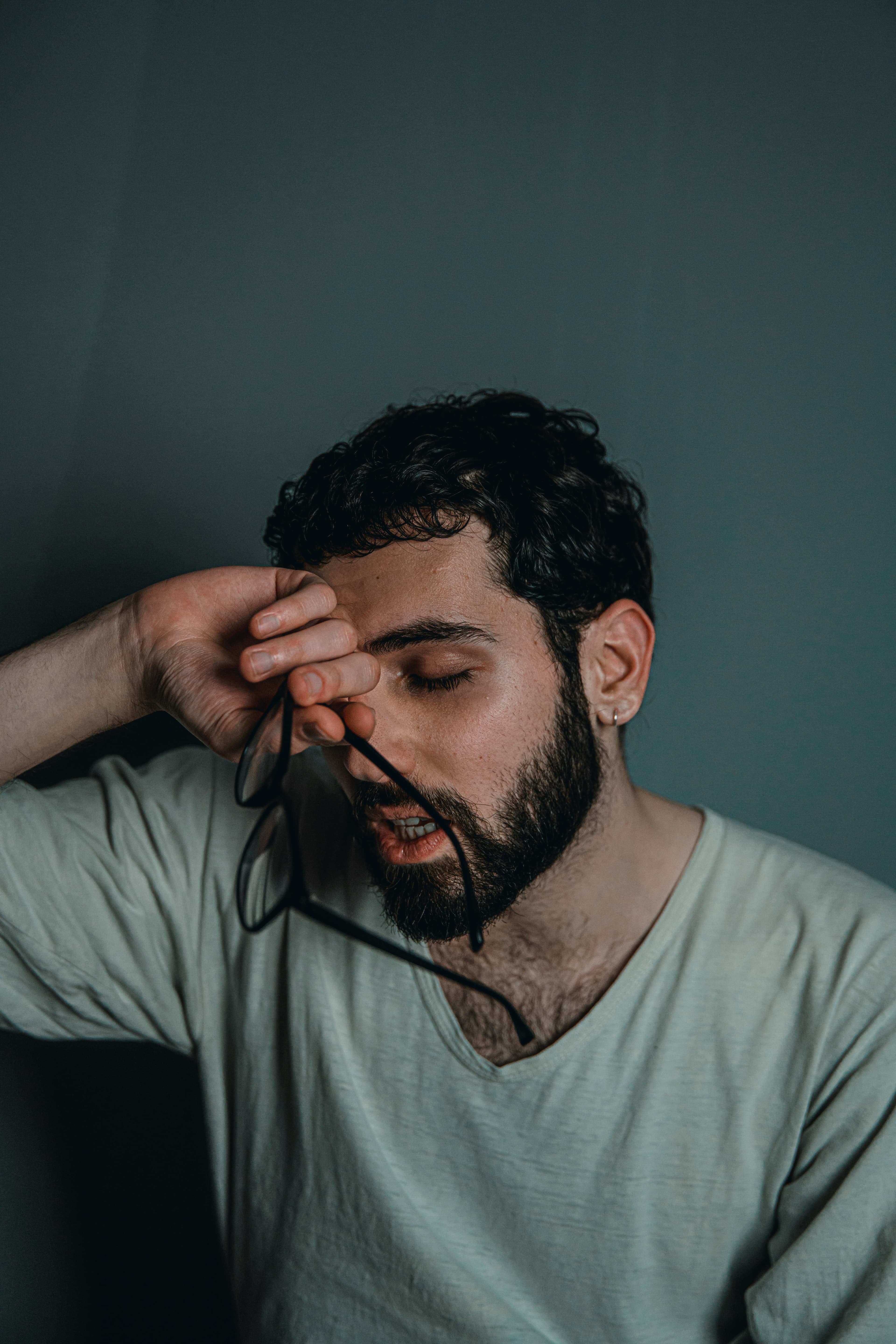
Sleep deprivation shows up quickly in facial appearance.
“Deep sleep is the body's nightly repair system affecting hormones, inflammation, skin recovery, and cellular restoration simultaneously.”
Hormone Regulation and Physical Vitality
Deep sleep also plays a major role in hormone regulation, which strongly influences physical appearance and vitality. Hormones such as testosterone, growth hormone, and melatonin are all connected to sleep quality and sleep duration.
These hormones influence muscle maintenance, body fat distribution, mood stability, energy levels, skin recovery, and overall physical resilience. Long-term poor sleep has been associated with reduced physical vitality, higher body fat levels, and decreased skin quality, all of which contribute to an older appearance over time.
Inflammation and Accelerated Aging
Inflammation is another major factor connecting sleep and aging. Scientific studies consistently show that insufficient sleep increases inflammatory markers throughout the body. Chronic inflammation is strongly associated with accelerated aging and many age-related diseases.
Beyond internal health effects, inflammation can also visibly affect the skin through redness, irritation, acne flare-ups, puffiness, and slower healing. This is one reason why people often appear swollen, fatigued, or unhealthy after periods of chronic stress and poor sleep.
What's Your Look Score? See Your Future Face.
Take our science-backed assessment to discover your current look score and visualize your healthiest, most attractive future self. Get personalized recommendations based on your unique features.
Get Started — It's FreeThe Skin Barrier and Moisture Retention
The skin barrier itself becomes weaker when sleep quality declines. The skin barrier is responsible for retaining moisture and protecting the skin from external environmental damage. Research has found that people with insufficient sleep often experience higher water loss through the skin, which can result in dryness, increased sensitivity, irritation, and rougher texture.
Well-rested skin typically appears smoother, calmer, and more hydrated. This is partly why quality sleep often gives the face a naturally healthier glow that expensive skincare products attempt to imitate.
Sleep, Body Composition, and Facial Definition
Sleep also affects body composition and facial definition in ways many people do not realize. Poor sleep disrupts hormones such as ghrelin and leptin, which regulate hunger and appetite. As a result, sleep-deprived individuals often crave high-calorie foods and experience increased hunger throughout the day.
Over time, this can contribute to weight gain, facial puffiness, and inflammation. In some people, chronic sleep deprivation creates a constantly swollen or inflamed facial appearance caused by stress, poor recovery, and water retention.
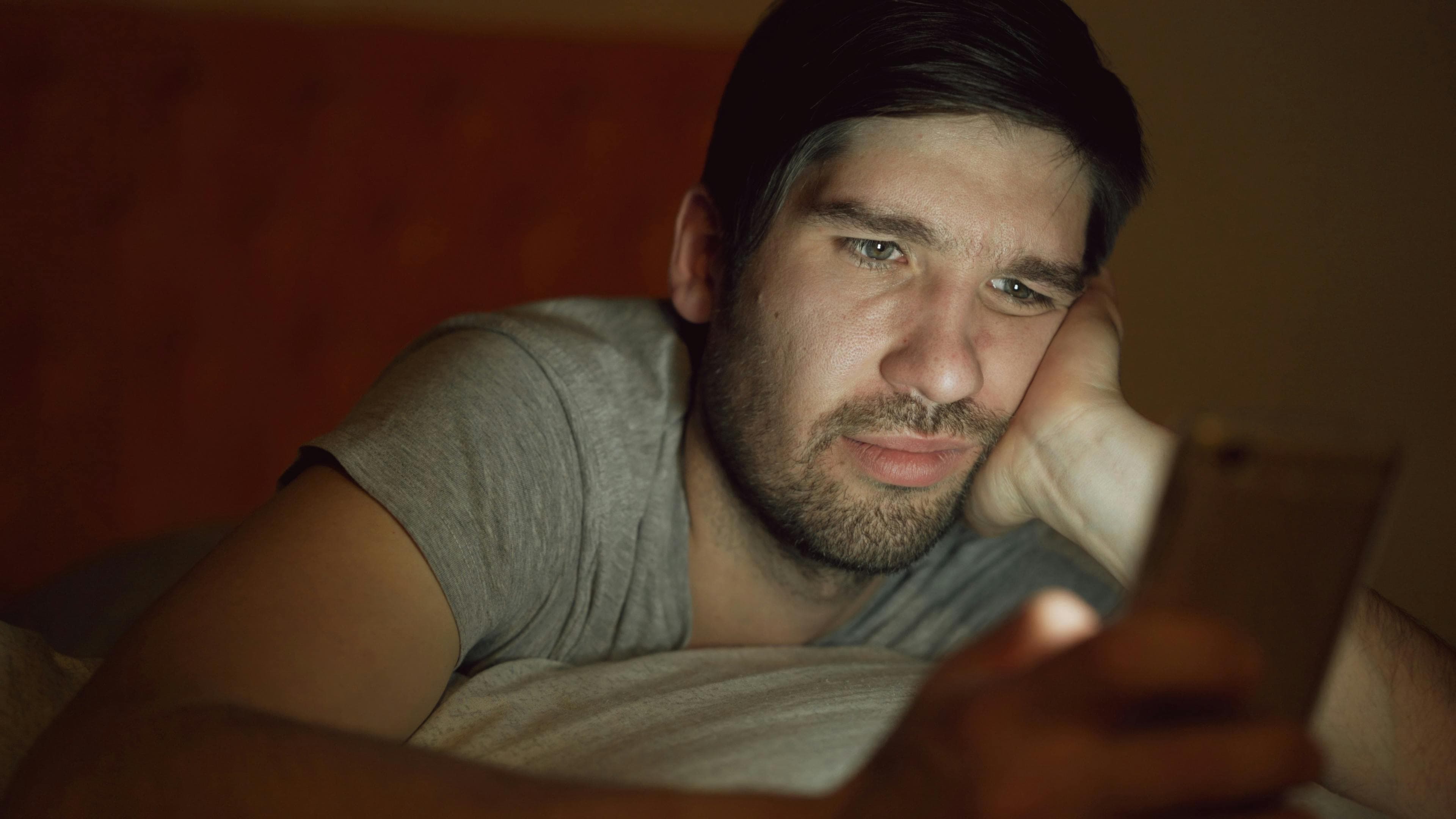
Blue light from screens can suppress melatonin and disrupt sleep quality.
Light Exposure and Melatonin Production
Another overlooked factor is light exposure before bedtime. Blue light emitted from phones, laptops, televisions, and artificial lighting can suppress melatonin production and negatively affect sleep quality.
Melatonin is not only important for regulating sleep cycles but also acts as a powerful antioxidant that helps protect cells from oxidative stress, one of the major drivers of aging. Excessive nighttime screen exposure may therefore contribute to both poorer sleep and reduced nighttime recovery processes.
Consistent Sleep Schedules Matter
Consistent sleep schedules appear to matter almost as much as total sleep duration. Research suggests that irregular sleep patterns can negatively affect metabolism, recovery, mood, cognitive performance, and hormonal balance even if total sleep hours seem acceptable.
Sleeping and waking at consistent times helps regulate circadian rhythms, which influence nearly every repair process in the body. People who maintain stable sleep routines often experience better recovery, steadier energy levels, and healthier overall appearance.
“Unlike expensive cosmetic interventions that target isolated issues, sleep affects nearly every system simultaneously.”
Becoolone Editorial
Sleep as a Long-Term Anti-Aging Strategy
Modern anti-aging discussions often focus heavily on products, procedures, and surface-level treatments, but the science increasingly points toward sleep as one of the most influential long-term factors affecting appearance.
Unlike expensive cosmetic interventions that target isolated issues, sleep affects nearly every system simultaneously: hormones, inflammation, skin repair, mood, appetite, stress recovery, and cellular restoration. Many visible signs commonly associated with aging are not simply caused by age itself, but by years of chronic sleep deprivation and poor recovery habits.
In many ways, sleep functions as the body's nightly repair system. While skincare products may improve certain aspects of appearance temporarily, deep and consistent sleep supports the biological processes that maintain youthful skin and overall health from within. As research continues to grow, sleep is becoming recognized not only as a health necessity, but also as one of the most effective and scientifically supported anti-aging strategies available naturally.
References
1. Beauty Sleep: Experimental Study on the Perceived Health and Attractiveness of Sleep Deprived People (BMJ)
https://www.bmj.com/content/341/bmj.c6614
2. The Effect of Sleep Deprivation on Objective and Subjective Measures of Facial Appearance (Journal of Sleep Research / PubMed)
https://pubmed.ncbi.nlm.nih.gov/31006920/
3. Independent and Combined Effects of Particulate Matter and Sleep Deprivation on Human Skin Barrier (PMC)
https://pmc.ncbi.nlm.nih.gov/articles/PMC12117546/
4. Impact of Exposome Factors on Epidermal Barrier Function in Patients with Obstructive Sleep Apnea Syndrome (PMC)
https://pmc.ncbi.nlm.nih.gov/articles/PMC8775463/